
Spandan Heart & Women Clinic

Spandan Heart & Women's Super Speciality Clinic unites Dr. Bharat Agarwal, a top cardiologist, and Dr. Reshu Agarwal, a renowned gynecologist, to offer holistic care for your heart and women's health in one trusted clinic.

Spandan Heart & Women's Super Speciality Clinic unites Dr. Bharat Agarwal, a top cardiologist, and Dr. Reshu Agarwal, a renowned gynecologist, to offer holistic care for your heart and women's health in one trusted clinic.

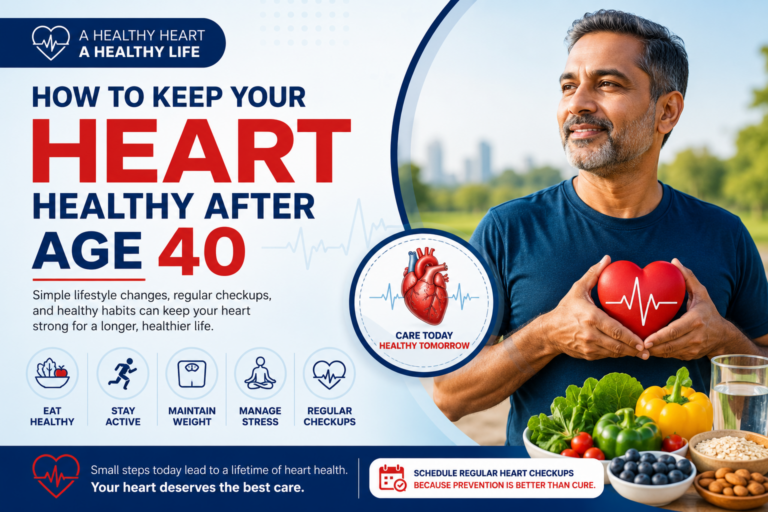
How to Keep Your Heart Healthy After Age 40

Turning 40 is an important milestone, and it is also the right time to become more proactive about your heart health. As we age, the risk of developing cardiovascular conditions such as high blood pressure, high cholesterol, diabetes, and heart disease gradually increases. Regular health checkups, healthy lifestyle choices, and early detection of risk factors can significantly reduce the chances of serious heart problems. If you are looking for expert guidance and preventive cardiac care, consulting the Best Cardiologist In Raipur can help you understand your heart health and take the right preventive measures before complications arise.

Why Heart Health Becomes More Important After 40

The heart works continuously throughout life, pumping blood and oxygen to every part of the body. However, after the age of 40, natural aging and lifestyle habits can affect how efficiently the heart functions.
Some common age-related changes include:
  • Reduced flexibility of blood vessels
  • Increased blood pressure
  • Higher cholesterol levels

  •  Slower metabolism

  • Greater risk of obesity

  • Increased chances of diabetes

  • Higher likelihood of plaque buildup in arteries

While these changes are prevalent, they are not inescapable. Healthy habits can significantly lower your risk of heart disease.

Follow a Heart-Healthy Diet

Your daily food choices have a direct impact on your cardiovascular health. A balanced diet helps maintain healthy cholesterol levels, blood pressure, and body weight.

Include these heart-friendly foods:

  • Fresh fruits and vegetables
  •  Whole grains

  •  Oats and brown rice
  • Nuts and seeds

  • Lean proteins

  •  Fish rich in Omega-3 fatty acids
  • Low-fat dairy products
  •  Beans and legumes

Limit the intake of:

  • Fried foods
  • Processed snacks
  •  Sugary beverages

  •  Excess salt

  • Saturated fats

  • Trans fats

  •  Red meat in large quantities

Eating smaller portions and maintaining regular meal timings also contribute to better heart health.

Stay Physically Active Every Day

Frequent exercise strengthens the heart and enhances blood flow. Physical activity also helps control weight, blood sugar, and cholesterol levels.

Aim for at least:

  • 30 minutes of brisk walking on most days
  • Strength training twice a week

  •  Stretching exercises for flexibility

Suitable activities include:

  • Walking
  • Cycling
  • Swimming
  • Yoga
  • Light jogging
  • Dancing
Even simple daily activities such as climbing stairs or gardening contribute to cardiovascular fitness.

Maintain a Healthy Body Weight

Excess body fat is associated with several conditions that affect cardiovascular health.

Maintaining an ideal weight helps reduce the risk of:

  • High blood pressure
  • Diabetes
  •  High cholesterol
  • Stroke
  • Heart attack

Healthy weight management combines balanced nutrition with regular physical activity rather than extreme dieting.

Monitor Your Blood Pressure Regularly

High blood pressure often develops without noticeable symptoms, making it one of the most dangerous risk factors for heart disease.
Regular monitoring allows early detection and timely management.
Healthy practices include:
  • Reducing salt intake
  • Exercising regularly
  • Managing stress

  • Taking prescribed medications consistently

  •  Scheduling periodic health checkups

Keeping blood pressure within the recommended range protects both the heart and blood vessels.

Keep Cholesterol Under Control

High cholesterol contributes to plaque formation inside arteries, reducing blood flow to the heart.

Ways to maintain healthy cholesterol levels include:

  • Eating fiber-rich foods
  •  Avoiding unhealthy fats
  • Exercising regularly
  • Losing excess weight

  •  Following medical advice when medication is required

Regular lipid profile testing helps track cholesterol levels over time.

Control Blood Sugar Levels

Diabetes greatly raises the risk of heart disease. Elevated blood sugar damages blood vessels and affects circulation.
To maintain healthy glucose levels:
  •  Eat balanced meals
  • Stay physically active

  • Avoid excessive sugar consumption

  •  Monitor blood sugar as advised

  •  Follow treatment plans carefully

Early diabetes management also protects kidney function and overall health.

Quit Smoking and Avoid Tobacco

Smoking damages nearly every part of the cardiovascular system.
It causes:
  •  Narrowing of blood vessels
  •  Increased blood pressure

  • Reduced oxygen supply

  •  Higher risk of blood clots

  • Increased risk of stroke and heart attack

The benefits of quitting begin almost immediately, with heart function gradually improving over time.

Limit Alcohol Consumption

Excessive alcohol intake can contribute to several heart-related problems.

Potential risks include:

  • High blood pressure
  •  Weight gain

  •  Irregular heartbeat

  •  Heart muscle damage

Choosing moderation or avoiding alcohol altogether supports long-term cardiovascular health.

Manage Stress Effectively

Long-term stress can significantly damage both physical and mental health.

Healthy stress management techniques include:

  • Meditation
  • Deep breathing exercises
  • Yoga
  •  Spending time with family

  • Reading
  • Listening to music

  • Pursuing hobbies

  •  Maintaining good sleep habits

Reducing stress also helps improve blood pressure and overall well-being.

Get Quality Sleep Every Night

Sleep is essential for heart recovery and overall health.
Adults over 40 should aim for:
* 7 to 8 hours of quality sleep each night
Poor sleep may increase the risk of:
  • Hypertension
  • Obesity
  • Diabetes
  • Heart disease

Maintaining a consistent sleep schedule supports cardiovascular function.

Schedule Regular Heart Checkups

Routine health evaluations help detect silent heart problems before symptoms appear.
A comprehensive heart checkup may include:
  • Blood pressure monitoring
  • ECG
  •  Echocardiography

  • Lipid profile
  •  Blood sugar testing

  • Stress testing when required

Individuals with family history, diabetes, hypertension, or obesity should be particularly consistent with regular cardiac evaluations.

Recognize Warning Signs Early

Immediate medical attention is important if you experience:
  • Chest discomfort
  • Shortness of breath

  •  Persistent fatigue

  •  Dizziness

  •  Irregular heartbeat
  •  Swelling in legs

  • Pain spreading to the arm, jaw, or shoulder

Early diagnosis greatly improves treatment outcomes.

Why Regular Cardiology Consultation Matters

Preventive cardiology focuses on identifying risks before serious disease develops.
Visiting a Heart specialist Hospital Raipur allows patients to receive personalized heart risk assessments, preventive guidance, diagnostic testing,and long-term monitoring based on age, lifestyle, and family history.An experienced top Cardiologist can also help manage existing conditions such as hypertension, diabetes, cholesterol disorders, and early-stage heart disease through individualized treatment plans and lifestyle recommendations.

Daily Habits That Protect Your Heart

Simple lifestyle choices can have a long-lasting impact:
  • Eat nutritious meals every day.
  • Walk for at least 30 minutes.
  •  Stay hydrated.

  • Avoid smoking.

  • Limit processed foods.
  • Maintain a healthy weight.

  • Sleep adequately.

  •  Reduce stress.

  • Monitor blood pressure regularly.

  • Follow your doctor’s advice consistently.

Small improvements maintained over time often provide significant long-term benefits.

Conclusion

Heart disease remains one of the leading health concerns after the age of 40, but many cardiovascular conditions are preventable through timely lifestyle changes and regular health monitoring. Eating a balanced diet, staying physically active, maintaining a healthy weight, managing blood pressure and cholesterol, avoiding tobacco, reducing stress, and scheduling routine heart checkups all contribute to a stronger and healthier heart. Treating advanced cardiac disease is never as effective as preventive therapy. If you want personalized guidance, early diagnosis, and comprehensive cardiac care, consulting the Best Cardiologist In Raipur can help you take proactive steps toward protecting your heart and maintaining a healthy, active life for years to come.
Scroll to Top