
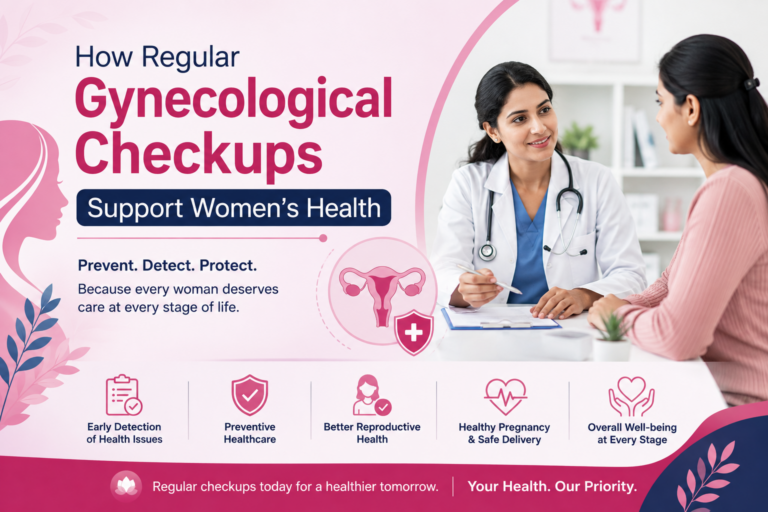
Regular gynecological checkups are an important part of maintaining women’s health at different stages of life. These visits are not only necessary when symptoms appear; they can also help identify potential health concerns before they become more serious. Women may experience changes in their menstrual cycle, reproductive health, hormones, pregnancy needs, or menopause-related symptoms over time. Regular consultations with the Best Gynecologist In Raipur can support timely evaluation, preventive care, and appropriate medical guidance based on individual health needs.
What Is a Gynecological Checkup?
A gynecological checkup is a medical consultation focused on a woman’s reproductive and overall health. The exact examinations and tests depend on age, symptoms, medical history, reproductive goals, and other individual factors.
A routine visit may include:
- Discussion of menstrual patterns and symptoms
- Review of medical and family history
- Blood pressure and general health assessment
- Evaluation of reproductive health
- Breast or pelvic assessment when medically appropriate
- Screening tests based on age and risk factors
- Discussion about contraception and family planning
- Guidance regarding pregnancy preparation
- Evaluation of symptoms such as pelvic pain or unusual bleeding
Not every woman needs the same tests during every visit. A healthcare professional can determine which examinations are appropriate.
Why Are Regular Gynecological Checkups Important?
Many gynecological conditions can develop gradually and may initially cause mild or no noticeable symptoms. Regular medical consultations provide an opportunity to discuss changes that might otherwise be ignored.
Some important benefits include:
- Early identification of abnormal symptoms
- Monitoring menstrual and reproductive health
- Evaluation of hormonal concerns
- Preventive health guidance
- Support for pregnancy planning
- Management of existing gynecological conditions
- Appropriate screening based on age and risk
- Professional guidance during reproductive transitions
Routine care can therefore be useful even when a woman feels healthy.
1. Helps Monitor Menstrual Health
Menstrual patterns can provide useful information about reproductive and hormonal health. Changes such as unusually heavy bleeding, very painful periods, missed periods, or cycles that become irregular may require medical evaluation.
A gynecological consultation can help determine possible causes, which may include hormonal changes, thyroid-related problems, PCOD, uterine fibroids, endometriosis, stress, or other conditions.
Women should keep track of:
- Cycle length
- Duration of bleeding
- Amount of bleeding
- Period-related pain
- Spotting between periods
- Changes in the usual menstrual pattern
Persistent or significant changes should not be ignored.
2. Supports Early Detection of PCOD and Hormonal Problems
Hormonal conditions can affect periods, ovulation, skin, weight, hair growth, and fertility. PCOD is one condition that may require long-term monitoring and individualized management. The symptoms and severity can vary considerably between women.
During a consultation, a doctor may assess symptoms and medical history and recommend appropriate investigations when necessary.
Common symptoms that may warrant evaluation include:
- Irregular or missed periods
- Excess facial or body hair
- Persistent acne
- Hair thinning
- Unexplained weight changes
- Difficulty becoming pregnant
Early assessment can help women understand the underlying issue and make informed decisions about treatment and lifestyle management.
3. Helps Address Reproductive and Fertility Concerns
Gynecological care is also important for women who are planning to become pregnant or experiencing difficulty conceiving. A consultation can help identify factors that may affect reproductive health and determine whether further evaluation is appropriate.
Fertility-related care may involve:
- Reviewing menstrual and ovulation patterns
- Assessing previous medical history
- Discussing pregnancy planning
- Evaluating possible hormonal concerns
- Recommending appropriate fertility investigations
- Discussing treatment options when required
The clinic’s gynecology services include infertility treatment, IUI, IVF-ICSI, and related reproductive care.
Women searching for a Best Female Gynecologist In Raipur may also consider whether the doctor provides care relevant to their particular reproductive health needs rather than choosing solely on the basis of a title.
4. Supports Healthy Pregnancy Planning
A gynecological consultation before pregnancy can help identify health factors that may influence pregnancy. Medical history, medications, previous pregnancies, menstrual health, and existing conditions can all be discussed before conception.
Preconception care may include:
- Reviewing existing medical conditions
- Discussing medications and supplements
- Evaluating reproductive health
- Providing nutrition and lifestyle guidance
- Discussing appropriate tests
- Identifying potential pregnancy risks
- Planning appropriate follow-up
Once pregnancy occurs, regular prenatal and antenatal care becomes important for monitoring both maternal and fetal health.
5. Helps Identify Pregnancy-Related Risks
Some women have factors that can increase the risk of complications during pregnancy. These may include certain medical conditions, previous pregnancy complications, multiple pregnancies, or other individual factors.
Regular medical monitoring can help identify concerns early and determine whether additional follow-up or specialized care is needed. High-risk pregnancy care generally involves closer monitoring according to the woman’s specific circumstances.
6. Provides Guidance During Adolescence
Gynecological care is not limited to pregnancy or adult reproductive health. Adolescents may also need professional guidance regarding menstruation, puberty, menstrual pain, irregular cycles, PCOD symptoms, and other concerns.
An appropriate consultation can provide a comfortable environment for discussing:
- Painful periods
- Very heavy bleeding
- Irregular menstruation
- Puberty-related changes
- PCOD or PCOS symptoms
- Pelvic discomfort
- Questions about reproductive health
Age-appropriate education can help young women understand normal changes and recognize symptoms that require medical attention.
7. Supports Women During Menopause
Menopause is another important stage when regular medical care can be helpful. Hormonal changes during perimenopause and menopause may cause symptoms such as:
- Irregular periods
- Hot flashes
- Night sweats
- Sleep disturbances
- Vaginal dryness
- Mood changes
- Changes in sexual health
Not every symptom requires treatment, but persistent or troublesome symptoms should be discussed with a healthcare professional. Menopause care can focus on symptom management, general health, and appropriate screening based on individual needs.
8. Helps Evaluate Pelvic Pain and Abnormal Bleeding
Pelvic pain or abnormal vaginal bleeding can have several possible causes. Some may be relatively minor, while others require medical evaluation.
A gynecological assessment may be appropriate when a woman experiences:
- Persistent pelvic pain
- Pain during intercourse
- Bleeding between periods
- Bleeding after intercourse
- Unusually heavy periods
- Unexpected bleeding after menopause
- Recurrent lower abdominal discomfort
The cause cannot be determined from symptoms alone. A healthcare professional may recommend examination, laboratory testing, imaging, or other investigations depending on the situation.
9. Encourages Preventive Women’s Healthcare
Preventive care means addressing health risks before they become significant problems. Depending on age and personal risk factors, a doctor may discuss appropriate screening and preventive measures.
These may include:
- Cervical cancer screening when appropriate
- Breast health awareness
- Sexual and reproductive health
- Vaccination discussions
- Bone health during later life
- Lifestyle and nutrition
- Family planning
- Mental and emotional well-being
The appropriate schedule for screening varies from person to person, so women should follow recommendations from their healthcare professional.
How Often Should You Have a Gynecological Checkup?
There is no single schedule that applies to every woman. The frequency of consultations depends on age, symptoms, medical history, pregnancy status, reproductive plans, previous test results, and existing health conditions.
A woman may need an earlier consultation if she develops new or persistent symptoms.
It is particularly important to seek medical advice when there is:
- A major change in menstrual pattern
- Persistent pelvic or abdominal pain
- Unusual vaginal discharge or odor
- Abnormal bleeding
- Difficulty conceiving
- New breast-related concerns
- Severe period pain
- Menopause-related symptoms affecting daily life
How to Prepare for a Gynecological Appointment
Being prepared can make a consultation more useful. Before visiting a doctor, consider keeping a record of your symptoms and menstrual cycle.
You can prepare by:
- Writing down your menstrual dates
- Listing current medications and supplements
- Mentioning previous surgeries or pregnancies
- Recording significant symptoms and when they started
- Bringing previous reports if available
- Preparing questions you want to discuss
- Sharing relevant family medical history
Being open and accurate about symptoms helps the doctor understand your health more effectively.
Choosing the Right Gynecologist
The right gynecologist should be selected according to your health requirements and the type of care you need. Qualifications, relevant experience, communication, available diagnostic facilities, and the doctor’s approach to patient care can all be considered.
For women looking for a top Gynecologist In Raipur, it can be useful to evaluate whether the doctor provides services relevant to their concerns, such as menstrual health, PCOD, fertility, pregnancy care, adolescent health, menopause, or gynecological procedures. Spandan Clinic’s gynecology services include pregnancy care, infertility treatment, IUI, IVF-ICSI, PCOD treatment, high-risk pregnancy care, and laparoscopy and hysteroscopy.
Key Benefits of Regular Gynecological Care
Regular gynecological consultations can help women:
- Understand changes in their reproductive health
- Monitor menstrual patterns
- Identify potential problems early
- Manage hormonal conditions
- Prepare for pregnancy
- Receive appropriate pregnancy monitoring
- Address fertility concerns
- Navigate menopause-related changes
- Discuss preventive health measures
- Make informed healthcare decisions
Conclusion
Regular gynecological checkups are an important part of women’s healthcare because they provide opportunities for prevention, early evaluation, and ongoing medical guidance. From menstrual health and PCOD to fertility, pregnancy, adolescence, and menopause, women’s healthcare needs can change throughout life. Rather than waiting until symptoms become severe, maintaining appropriate medical follow-up can help identify concerns and support timely care. Women who need individualized reproductive or gynecological guidance can consult the Best Gynecologist In Raipur for an assessment based on their age, symptoms, medical history, and healthcare needs.
Frequently Asked Questions (FAQs)
1. How often should women have a gynecological checkup?
The frequency depends on age, symptoms, medical history, and individual health needs.
2. What symptoms require a gynecologist consultation?
Irregular periods, persistent pelvic pain, abnormal bleeding, unusual discharge, or fertility concerns should be evaluated.
3. How can the Gynecologist In Raipur help with women’s health?
A gynecologist can assess menstrual, reproductive, hormonal, pregnancy, fertility, and menopause-related concerns.