
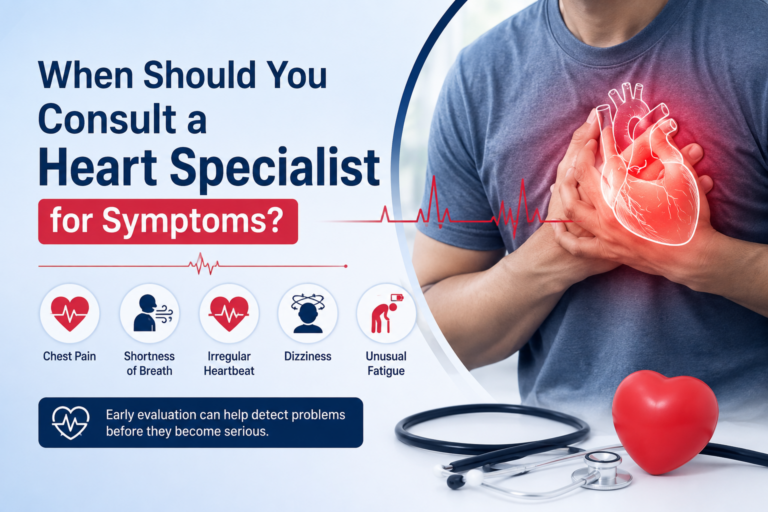
Heart symptoms can sometimes be mild and temporary, while others may indicate an underlying cardiovascular problem that needs medical evaluation. Knowing when to seek professional advice can help identify potential concerns at an early stage. If you are looking for a Heart Specialist in Raipur, it is important to understand which symptoms should not be ignored and when a heart evaluation may be appropriate.
What Does a Heart Specialist Do?
A heart specialist evaluates conditions affecting the heart and blood vessels. Depending on a person’s symptoms, medical history, and risk factors, a consultation may involve a physical examination and appropriate diagnostic tests.
A heart specialist may evaluate concerns such as:
- Chest discomfort or pain
- Irregular or rapid heartbeat
- Shortness of breath
- High blood pressure
- High cholesterol
- Coronary artery disease
- Heart valve problems
- Heart rhythm disorders
- Heart failure
- Family history of cardiovascular disease
Early assessment can help determine whether symptoms are related to the heart or another health condition.
When Should You Consult a Heart Specialist?
Not every unusual sensation means there is a heart problem. However, certain symptoms deserve medical attention, particularly when they are persistent, recurring, worsening, or occurring with other warning signs.
1. Chest Pain or Discomfort
Chest discomfort is one of the symptoms that should be taken seriously. It may feel like pressure, tightness, heaviness, squeezing, burning, or discomfort in the chest.
Heart-related chest discomfort may sometimes occur during physical activity and improve with rest. It can also spread toward the arm, shoulder, back, neck, or jaw.
Chest symptoms should receive prompt medical attention, especially when accompanied by:
- Breathlessness
- Sweating
- Nausea
- Dizziness
- Unusual weakness
- Arm, back, neck, or jaw pain that spreads
Sudden or severe chest pain requires urgent medical evaluation.
2. Shortness of Breath
Breathlessness can have many causes, including respiratory conditions, anemia, anxiety, reduced fitness, and heart problems.
If you experience unexplained shortness of breath, particularly during routine activities or while lying down, it is worth discussing the symptom with a healthcare professional.
Breathlessness accompanied by chest discomfort, fainting, severe weakness, or bluish lips requires immediate medical attention.
3. Persistent or Irregular Heartbeat
Occasional awareness of your heartbeat can happen after exercise, stress, caffeine consumption, or lack of sleep. However, repeated episodes of a racing, pounding, fluttering, or irregular heartbeat may require evaluation.
Palpitations can be associated with:
- Abnormal heart rhythms
- Thyroid disorders
- Electrolyte changes
- Certain medications
- Excessive caffeine
- Stress or anxiety
- Other cardiovascular conditions
If more testing is required, a medical expert can decide.
4. Dizziness or Fainting
Dizziness and fainting can occur for several reasons. Dehydration, low blood pressure, certain medications, low blood sugar, and heart rhythm problems are among the possible causes.
Fainting during exercise or repeated unexplained fainting should not be ignored. These symptoms may sometimes indicate an abnormal heart rhythm or another cardiovascular concern.
5. Unusual Fatigue
Feeling tired after inadequate sleep or intense physical activity is common. However, persistent or unexplained fatigue may need assessment when it is new or significantly different from your usual energy level.
Some heart conditions can reduce the body’s ability to circulate blood effectively, which may contribute to tiredness or reduced exercise tolerance.
If normal activities suddenly feel much more difficult than before, discuss the change with a healthcare professional.
6. Swelling in the Legs or Feet
Swelling around the ankles, feet, or lower legs can have different causes. Standing for long periods, certain medications, kidney problems, liver conditions, and venous problems can contribute to swelling.
However, swelling accompanied by breathlessness, rapid weight gain, or reduced ability to perform normal activities may require evaluation for a possible cardiovascular cause.
7. Reduced Exercise Tolerance
A noticeable decline in physical capacity can sometimes be an early sign that something has changed in your health.
For example, if you previously walked a particular distance comfortably but now develop unusual breathlessness, chest discomfort, fatigue, or weakness during the same activity, medical evaluation may be appropriate.
People searching for a Best Cardiologist In Raipur should focus on getting an appropriate medical assessment rather than choosing care based only on online rankings or titles.
Who May Need Regular Heart Evaluation?
Some people have a higher risk of cardiovascular disease even when they do not have obvious symptoms. Regular health assessments may be particularly important for people with certain risk factors.
These may include:
- High blood pressure
- Diabetes
- High cholesterol
- Smoking or tobacco use
- Obesity
- Physical inactivity
- A family history of heart disease
- Increasing age
- Previous cardiovascular problems
- Chronic kidney disease
- Poor dietary habits
The need for screening depends on individual health history and risk factors.
What Tests May Be Recommended?
A heart specialist does not necessarily recommend the same tests for everyone. The evaluation depends on symptoms, age, medical history, physical findings, and risk factors.
Depending on the circumstances, a physician might think about:
ECG
An ECG captures the electrical activity of the heart and can be used to detect various cardiac problems, including irregular rhythms.
Echocardiogram
An echocardiography creates images of the heart using ultrasound. It can provide information about heart chambers, valves, movement of the heart muscle, and pumping function.
Holter Monitoring
A Holter monitor records heart rhythm continuously for a specified period. It may be useful when symptoms such as palpitations or dizziness occur intermittently.
Exercise Testing
An exercise or treadmill test observes how the heart responds to physical activity and may be recommended in selected patients based on their symptoms and clinical assessment.
Blood Tests
Blood tests may help evaluate cholesterol, blood sugar, and other factors that can influence cardiovascular health.
Not every person with heart-related symptoms requires every test. Appropriate testing should be determined by a qualified healthcare professional.
Why Should Symptoms Not Be Ignored?
Some cardiovascular conditions may develop gradually, and symptoms can sometimes be mistaken for tiredness, acidity, stress, or normal changes associated with age.
Ignoring recurring symptoms can delay appropriate evaluation. Keeping track of when symptoms occur can help a healthcare professional understand the pattern.
- What the symptom feels like
- Whenitstarted
- How long it lasts
- Whether it occurs during activity or rest
- What makes it better or worse
- Whether other symptoms occur at the same time
- Any medications or supplements being taken
This information can make a medical consultation more useful.
When Is Emergency Care Necessary?
Instead of waiting for a regular visit, some symptoms call for immediate medical intervention.
Seek emergency medical care for symptoms such as:
- Severe or persistent chest pain or pressure
- Severe difficulty breathing
- Fainting with ongoing symptoms
- Sudden weakness or collapse
- Severe palpitations accompanied by dizziness or chest discomfort
- soreness in the chest that radiates to the arm, back, neck, or jaw
- Sudden symptoms that rapidly become worse
Do not attempt to diagnose the cause yourself when symptoms are severe or sudden.
How Can You Support Better Heart Health?
Heart health is influenced by several factors. Along with appropriate medical evaluation, healthy daily habits can contribute to cardiovascular well-being.
Important measures include:
- Maintain a balanced diet with vegetables, fruits, whole grains, and appropriate sources of protein.
- Limit excessive salt, added sugars, and highly processed foods.
- Stay physically active according to your health condition and doctor’s advice.
- Avoid tobacco products.
- Maintain a healthy body weight.
- As directed, keep an eye on your blood pressure and sugar levels.
- Keep cholesterol levels under appropriate control.
- Get adequate and regular sleep.
- Manage long-term stress through healthy coping strategies.
- Attend recommended health check-ups.
People seeking a top Cardiologist In Raipur should also remember that the appropriate medical evaluation depends on individual symptoms, health history, and cardiovascular risk factors.
Conclusion
Recognizing concerning symptoms and seeking timely medical advice can play an important role in maintaining heart health. Chest discomfort, unexplained breathlessness, persistent palpitations, fainting, unusual fatigue, swelling, and reduced exercise tolerance should be discussed with a healthcare professional when they are persistent, recurring, or unexplained. A Heart Specialist in Raipur can assess symptoms, review relevant risk factors, and determine whether further evaluation or testing is appropriate. For sudden or severe symptoms, emergency medical care should be sought without delay.
Frequently Asked Questions (FAQs)
1. When should I consult a heart specialist?
You should consider consultation for persistent or unexplained chest pain, breathlessness, palpitations, dizziness, fainting, unusual fatigue, or reduced exercise tolerance.
2. What symptoms may indicate a heart problem?
Common warning signs include chest discomfort, shortness of breath, irregular heartbeat, dizziness, fainting, unusual fatigue, and swelling in the legs or feet.
3. What tests can a heart specialist recommend?
Depending on your symptoms and medical history, a doctor may recommend tests such as an ECG, echocardiogram, Holter monitoring, exercise testing, or blood tests.